Fortess Road Tufnell Park removals tips for narrow stair moves
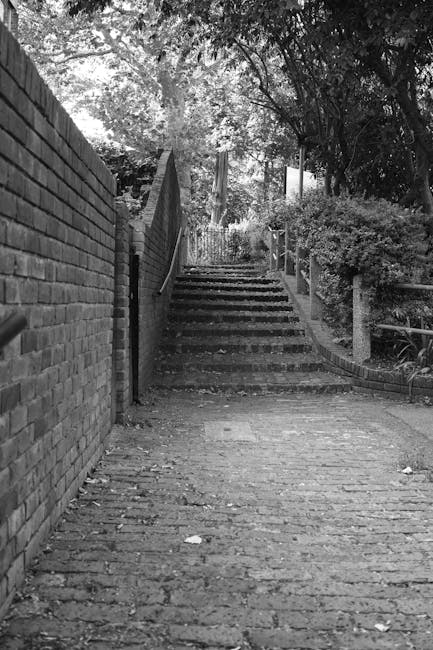
Moving in and around Fortess Road, Tufnell Park can be straightforward on paper and oddly tricky in real life. The issue is usually not the distance. It is the stairs. Narrow landings, awkward turns, low ceilings, railings that steal inches, and furniture that looks perfectly reasonable in the living room but suddenly becomes a monster on the stairwell. If you are looking for Fortess Road Tufnell Park removals tips for narrow stair moves, you are probably trying to avoid exactly that kind of headache.
This guide breaks the process down properly. You will find practical stair-moving advice, packing tactics, planning steps, and a few judgement calls that make a big difference on moving day. We will also cover when a job is best left to a professional removals team, how storage can help if access is tight, and how to keep the whole thing calm rather than chaotic. Because let's face it, nobody enjoys a sofa wedged halfway up the stairs at 8:15 in the morning.
Why Fortess Road Tufnell Park removals tips for narrow stair moves Matters
Fortess Road and the surrounding Tufnell Park streets have plenty of homes where access is tight. That might mean basement flats, period conversions, maisonettes, or upper-floor properties with staircases that were never designed with modern furniture in mind. In those settings, even a modest move can become a planning job, not just a lifting job.
The main reason this matters is simple: narrow stairs increase the risk of damage, delays, and injuries. A bulky item can scrape walls, catch on handrails, or force movers into an unsafe twist. A poorly timed move can also upset neighbours and create tension in a building where shared entrances matter. If you have ever carried a mattress through a turning stairwell, you already know the feeling: one wrong angle and the whole thing stalls.
Good stair-move planning protects more than the furniture. It protects the property, the people moving it, and your schedule. It also helps you decide whether you need a standard removals team, a smaller vehicle, or perhaps a mixed approach using small removals or man and van support. That choice alone can save a lot of stress.
How Fortess Road Tufnell Park removals tips for narrow stair moves Works
In practical terms, a narrow stair move works best when you treat the property like a puzzle. First you identify the awkward pieces: stair width, landings, bannisters, turns, ceiling height, and any items that simply will not pivot cleanly. Then you decide what can be dismantled, wrapped, carried upright, or moved in smaller loads.
Most successful moves follow the same rhythm. Measure first, pack second, dismantle where needed, then stage the property so items leave in a controlled order. Large furniture tends to go out before boxes fill the hallway. Fragile items are loaded last or kept separate. And if access is especially tight, the team may work with two people on a lift, one person guiding from the landing, and another clearing the route. It sounds basic, but the coordination is everything.
There is also a timing element. In many Tufnell Park buildings, stairwells are shared with neighbours, so the move needs to be efficient and considerate. Early planning helps you avoid repeated trips, awkward waiting, and blocked passageways. A small thing like taking the door off a hinge can make an unexpectedly big difference. Not glamorous, perhaps, but effective.
For some households, the smartest route is to combine removals with storage. If the new place is not ready, or if only certain items can fit safely through the stairs, removals and storage can take pressure off the move and let you split the job into calmer stages.
Key Benefits and Practical Advantages
When stair access is tight, a careful move is not just nicer. It is usually faster and cheaper in the long run because you reduce damage and avoid last-minute improvisation. That is the quiet truth of it.
- Less risk of damage: careful measurement and wrapping reduce knocks, scuffs, and corner damage on walls and furniture.
- Smoother handling of bulky items: disassembly and item-by-item planning make awkward pieces manageable.
- Better use of time: fewer failed attempts at turning furniture means fewer delays on the day.
- Lower stress: when everyone knows the order of movement, there is less shouting up and down the stairs.
- More neighbour-friendly: organised loading keeps hallways clear and minimises disruption.
There is also a financial advantage that people overlook. A badly planned move can lead to damaged furniture, chipped walls, or even a missed booking window. By contrast, a move that is properly planned tends to run more smoothly, which often makes the overall job feel less expensive even if the service itself is similar on paper.
If you are trying to keep costs under control, it can help to compare the value of a dedicated removals team against a smaller, more flexible setup. The right fit depends on volume, access, and how much of the furniture can be dismantled. For local jobs, local removals are often a sensible option because the team understands the area's access quirks and can plan around them properly.
Who This Is For and When It Makes Sense
This advice is for anyone moving from a flat or house with narrow stairs, but it is especially useful if you are dealing with period properties, top-floor conversions, or a building where the staircase takes a sharp turn halfway up. That said, it also helps in more modern buildings when the lift is out of action or the stairwell is simply too tight for bulkier items.
It makes particular sense for:
- people moving from upper-floor flats with limited access
- households with heavy furniture, wardrobes, wardrobes with mirrored doors, or awkward corner sofas
- students leaving compact accommodation with shared stairwells
- small offices moving filing cabinets, desks, or boxed equipment
- families who want to reduce the chance of wall damage in communal areas
If you are moving out of a flat with limited access, it is worth looking at flat removals support rather than assuming a standard house move will behave the same way. It rarely does. Flats have their own personality, and sometimes that personality is stairs.
For business customers, a narrow stair move might also be tied to confidential paperwork, compact office furniture, or equipment that must be handled carefully. In those cases, combining office removals with document storage can keep the move cleaner and more controlled.
Step-by-Step Guidance
Here is the part most people want: what actually to do, in order, without the fluff.
- Survey the access properly. Measure stair width, landing depth, door openings, and any tight turns. Take photos from the bottom and top of the stairwell.
- Identify problem items early. Sofas, wardrobes, bed frames, mirrors, and tall bookcases are the usual suspects.
- Decide what should be dismantled. Flat-pack furniture is one thing; solid wood pieces are another. Sometimes removing feet, doors, or headboards makes a huge difference.
- Pack by weight and shape, not just by room. Small heavy boxes are easier to carry on stairs than large light ones that block sightlines.
- Clear the route. Move shoe racks, lamps, plants, and loose items well before the movers arrive.
- Protect surfaces. Use blankets, corner guards, and floor runners where appropriate. Hallways in older buildings can mark easily.
- Load in a sensible sequence. Take out the largest awkward pieces first if the route is clean. Leave the easy boxes for later.
- Keep one person focused on guidance. A spotter on the landing can make a big difference when an item needs turning by inches rather than feet.
- Use a holding area if needed. If space allows, keep a temporary staging spot by the door or in a ground-floor room.
- Check the property at the end. Walk the stairs, landings, and entrance for marks or forgotten items before you leave.
If you are managing the move yourself, this sequence helps. If you are hiring help, it still helps. In our experience, a team works better when the plan is visible rather than spoken about vaguely over the sound of tape ripping and footsteps on wood. Simple, but true.
Expert Tips for Better Results
Some stair moves go fine because the basic steps were followed. The really smooth ones usually have a few extra details behind them.
1. Measure the awkward item, not just the room
A sofa can fit in a hallway and still fail at the first turn. Measure the diagonal height, arm depth, and any protrusions like feet or handles. Sometimes removing a base makes the difference between "easy" and "impossible".
2. Think in angles
On narrow stairs, the item often needs to be carried vertically or diagonally rather than flat. That is why clear headroom matters. If the staircase has a twist, the route can be more about choreography than strength. A slightly odd-looking carry can be the correct one.
3. Wrap for grip as well as protection
Good wrapping does more than stop scratches. It can improve grip. A blanket or protective wrap may help movers hold an item more securely, especially on polished wood stairs where everything feels just a bit too slippery for comfort.
4. Keep boxes modest in size
One oversized box filled with books is a staircase hazard. Smaller boxes are easier to balance, easier to pass, and easier to store temporarily if the route clogs up.
5. Use storage as a pressure valve
When access is too tight for everything at once, short-term storage can be a genuinely smart move. It allows you to split a move into stages. You can relocate essentials first and deal with bulky or seasonal pieces later. If that sounds useful, short-term storage or even secure storage may be worth considering.
6. Don't underestimate the power of small helpers
Furniture sliders, removal blankets, a basic toolkit, and decent gloves all pull their weight. Nothing fancy. Just the right little tools in the right moment. It is a bit unglamorous, yes, but highly effective.
Common Mistakes to Avoid
Most narrow stair move problems are predictable. That is the annoying part. The good news is they are also avoidable.
- Skipping measurements: guessing the fit is how you end up with a wardrobe stuck on the landing.
- Overpacking boxes: too much weight makes carrying dangerous and slows everything down.
- Forgetting communal access: shared hallways need to stay usable, especially in London flats.
- Leaving dismantling too late: if something needs taking apart, do it before the pressure of moving day hits.
- Ignoring the route inside the home: the living room exit matters just as much as the stairwell.
- Not having a backup plan: if an item does not fit, you need a fallback, not a debate in the hallway.
A very common mistake is assuming that a "small" move cannot be complicated. Truth be told, small jobs in narrow properties can be some of the trickiest because every item matters. One awkward chest of drawers can hold up the whole operation.
Another one: people often forget that the final descent is just as difficult as the ascent. Gravity is not your friend there, and it definitely does not care how carefully you planned breakfast.
Tools, Resources and Recommendations
You do not need a van full of specialist kit to manage a narrow stair move, but a few practical items make the day far easier.
| Tool or resource | Why it helps | Best used for |
|---|---|---|
| Measuring tape | Confirms stair width, landings, and furniture clearance | Planning and fit checks |
| Removal blankets | Protects furniture and stair edges from scuffs | Large or valuable items |
| Furniture straps | Improves control when carrying awkward items | Long or heavy pieces |
| Toolkit | Allows quick dismantling of legs, doors, and fittings | Wardrobes, beds, tables |
| Protective floor covering | Reduces marks on stairs and hallways | Shared entrances and polished floors |
| Temporary storage | Splits the move into more manageable phases | Delayed access, renovation gaps, bulky furniture |
If you are not sure what level of support you need, it is worth looking at the broader service options first. Removals cover the core job, while packing services can take a lot of pressure off if you are juggling work, family, or a tight completion timeline.
For a local move where the access is awkward but the volume is not huge, a flexible setup can be ideal. That might mean a smaller vehicle, a few careful trips, or a service shaped around your building rather than a one-size-fits-all approach.
Law, Compliance, Standards and Best Practice
For most household moves, the main concerns are practical rather than legal. Still, there are some sensible standards and responsibilities to keep in mind. In the UK, anyone handling a move should work safely, avoid blocking shared access routes for too long, and take care around lifting, carrying, and manoeuvring heavy items. That is especially relevant in narrow staircases where the margin for error is small.
If a professional removals team is involved, good practice usually includes adequate insurance, clear communication about access issues, and sensible handling of risks to people and property. If you are comparing providers, ask about safety procedures and how they deal with awkward access. A good provider will answer plainly, not hide behind vague language.
It is also worth thinking about waste and disposal. If you are clearing out furniture you no longer need, responsible recycling or donation planning matters. Some moves involve more decluttering than relocation, which is fair enough. Sometimes the best result is taking less with you. The team's recycling and sustainability approach can be useful if you want a more considerate move overall.
For business customers, there may be added expectations around data handling, confidential files, and equipment security. In those cases, services such as business storage and office storage can support a tidier, lower-risk transition.
Options, Methods, or Comparison Table
Different stair moves call for different approaches. Here is a simple comparison to help you decide what fits best.
| Approach | Best for | Pros | Trade-offs |
|---|---|---|---|
| DIY move | Very small loads, simple access, light furniture | Lower upfront cost, full control | Higher physical effort, more risk on awkward stairs |
| Man and van | Smaller local moves, a few key items, flexible timing | Efficient, scalable, good for short trips | May need more input from you on packing and access |
| Full removals team | Full-house moves, heavy furniture, tight stairwells | More hands, better coordination, less strain on you | Usually the most involved option |
| Removals plus storage | Staged moves, renovation gaps, delayed access | Splits the problem into manageable parts | Requires planning and possibly an extra move stage |
If the stairs are tight and the furniture is bulky, the best answer is often not "more muscle" but "better sequencing". That is the difference between a noisy struggle and a move that feels almost oddly calm.
Case Study or Real-World Example
Here is a realistic scenario. A couple moving from a top-floor Tufnell Park flat had a standard bed frame, a wardrobe, two chest of drawers, and a sofa that looked manageable in the photos but proved otherwise on the day. The staircase had one sharp turn and a narrow mid-landing. Not extreme, just awkward enough.
Instead of trying to force everything through in one go, they measured the furniture the day before, removed the wardrobe doors, and took the bed frame apart. The sofa turned out to be the biggest issue, so it was wrapped and moved first while the route was completely clear. One person guided from the landing, and the rest of the load followed in smaller sections. They also set aside a couple of bulky items for storage because the new place would not be ready for all of it immediately.
The move still took effort, obviously. These things do. But it avoided damage, stayed on schedule, and did not turn into a late-day panic. That is usually the goal: not perfection, just a controlled day with fewer surprises. A bit of breathing room goes a long way.
For movers in a similar position, services like house removals or a more focused small removals option can be a sensible fit depending on the number of items and the access challenge.
Practical Checklist
Use this checklist the day before and the morning of the move. It keeps the obvious things from slipping through the cracks.
- Measure the staircase, landing, and doorways
- Check which furniture can be dismantled
- Remove loose shelves, mirrors, and detachable parts
- Wrap corners, legs, and fragile edges
- Pack heavy items into smaller boxes
- Clear hallway clutter and shoes
- Protect walls and floors where needed
- Tell neighbours if shared access will be used
- Keep keys, labels, and tools in one obvious place
- Plan where the first items will go in the new property
- Set aside essentials for immediate use
- Arrange storage if some items cannot move straight in
One practical tip that sounds tiny but matters: keep tea, water, and a charger within reach. Moving days get oddly dry and oddly noisy. A small reset makes everyone less grumpy, which is never a bad thing.
Get a free quote today and see how much you can save.
Conclusion
Fortess Road and the wider Tufnell Park area can make removals feel more complicated than they first appear, but narrow stairs are manageable with the right plan. Measure carefully, dismantle where you can, stage the furniture in a sensible order, and do not be afraid to use storage or a smaller removals setup when that is the smarter choice.
The best stair moves are rarely the fastest ones on paper. They are the ones that stay calm, avoid damage, and leave you feeling like the day was under control. That is the real win. And honestly, it is a very good feeling when the last box lands safely and the stairs are still intact.
Frequently Asked Questions
What is the best way to move furniture on narrow stairs?
Measure first, dismantle any removable parts, wrap edges for protection, and move the largest awkward pieces while the route is clear. Two-person control usually works best for heavier items.
Should I dismantle furniture before a stair move?
Yes, if it will make the item safer or easier to turn. Beds, wardrobes, dining tables, and some sofas often benefit from partial dismantling. Do not force a piece just because it is technically possible.
How do I know if my sofa will fit up or down the stairs?
Measure the sofa height, depth, and any fixed parts such as arms or feet, then compare those measurements with the stair width and landing space. Diagonal carrying can help, but it is not magic. If it looks tight on paper, it will probably be tight in reality too.
Is a man and van service enough for a narrow stair move?
Sometimes yes, especially for smaller loads or a few bulky items. If you have a full flat, heavy furniture, or very restricted access, a larger removals team may be safer and faster.
What should I pack separately for a stair-heavy move?
Keep essentials, fragile items, and anything you will need first in clearly labelled boxes. Heavy books and awkward items should be packed small. Large boxes are a nuisance on stairs and, to be fair, a bit of a trap.
How can I protect the walls in a narrow stairwell?
Use blankets, corner protectors, and floor runners where appropriate. Move slowly, keep one person guiding, and avoid rushing through turns. Most wall damage happens when someone tries to save thirty seconds.
Do narrow stair moves cost more?
They can, because they often take longer and need more care. The exact cost depends on access, volume, distance, and whether items need dismantling or storage. A clear quote is the best way to understand the likely total.
What if my furniture does not fit through the stairwell?
If an item will not pass safely, the usual options are dismantling, alternative carrying angles, temporary storage, or replacing the item later. Forcing it is rarely worth the damage risk.
Can storage help with a difficult stair move?
Yes. Storage can let you move essentials first and deal with bulky or low-priority items later. It is especially useful when completion dates, refurbishment work, or access constraints do not line up neatly.
What is the safest way to carry heavy boxes downstairs?
Keep the boxes small, balanced, and easy to see around. Use both hands where possible, move one step at a time, and never block your own view. If the box feels awkward before you start, split it.
When should I book removals for a flat with tight stairs?
As soon as you know your moving date, ideally with enough lead time to assess access and plan dismantling. Busy periods fill fast, and narrow stair moves benefit from careful preparation rather than a last-minute scramble.
What services are useful alongside a narrow stair move?
Depending on your situation, packing services, removals and storage, short-term storage, and flat removals can all make the move easier and more organised.
How do I reduce stress on moving day?
Keep the plan simple, label everything clearly, and make sure the route is clear before anyone starts lifting. A calm start usually leads to a calmer finish. Not always, but often enough to matter.
What should I do if the stairwell is shared with neighbours?
Be considerate with timing, keep the passageway open as much as possible, and avoid leaving items in common areas longer than necessary. A little communication goes a long way in shared buildings.
If you want a move that feels organised rather than improvised, start with a proper access check and build the plan around the stairs. That one decision tends to make everything else easier.